

Advancing RAG with Command R: Businesses across industries are flooded with data, yet often struggle to make meaningful use of it. Decision-makers in healthcare, finance, retail, and education need more than just generic outputs they require context-rich answers grounded in their own documents, systems, and rules.
That’s where Retrieval-Augmented Generation (RAG) comes into play. When combined with advanced models like Command R, it becomes possible to generate responses that are not just coherent, but relevant, timely, and specific to your operations. At Miniml, we’ve worked with organizations of all sizes to apply this technology in a focused, result-driven way.
What is RAG? A Practical Look
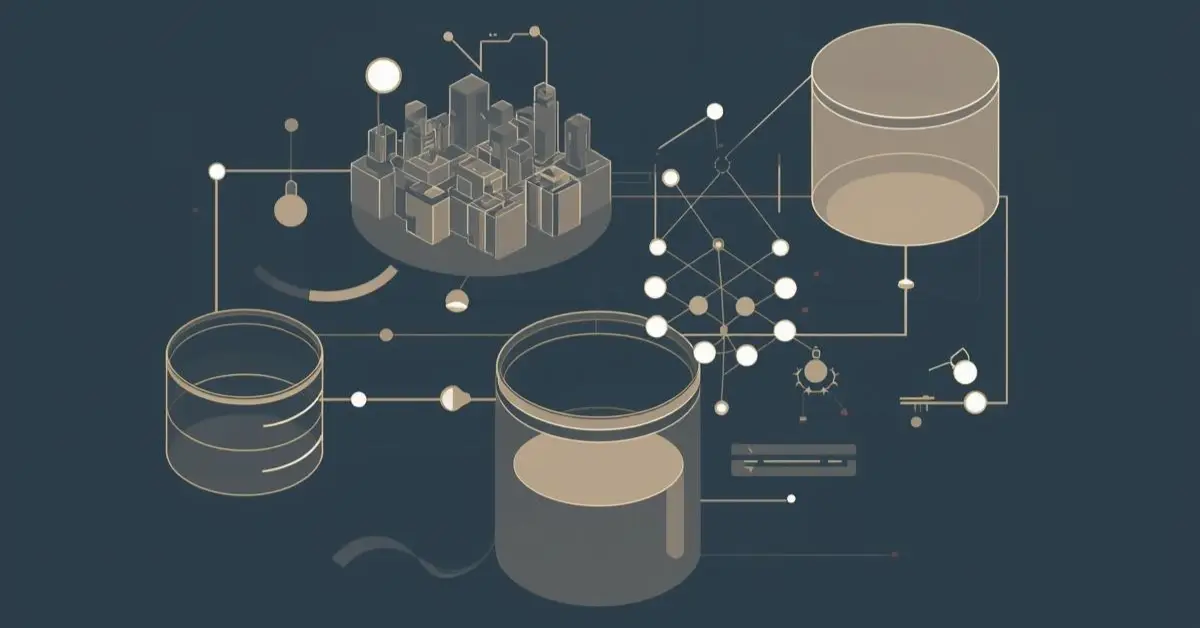
Retrieval-Augmented Generation is a technique that combines language models with external information sources. Instead of generating answers solely from a model’s pretraining, RAG retrieves relevant documents or records from a database and uses that content as reference for the response.
Key Concepts Behind RAG:
- Retrieval Step: Pulls relevant data from company documents, databases, or APIs.
- Generation Step: Crafts a response using the retrieved material as context.
- Why It Works: Unlike static models, RAG is grounded in real-time, up-to-date information and can explain where its answers came from.
This approach is especially valuable for businesses that rely on internal knowledge, legal documentation, or policy-based decision-making.
Why Command R Makes a Difference
Command R is a model designed for tasks that demand reasoning and retrieval. Unlike standard models trained on general web data, Command R is built to perform better in scenarios where the answer depends on connecting multiple pieces of information often across documents or formats.
What sets Command R apart?
- Handles longer input documents, which is essential for business use cases.
- Maintains better consistency across multi-step reasoning tasks.
- Works smoothly with document retrieval systems, APIs, and vector databases.
- Ideal for integration into secure and regulated environments.
By incorporating Command R into our work at Miniml, we ensure that clients not only get intelligent responses but ones that are reliable and grounded in their actual data.
Where It Matters: RAG + Command R in Action
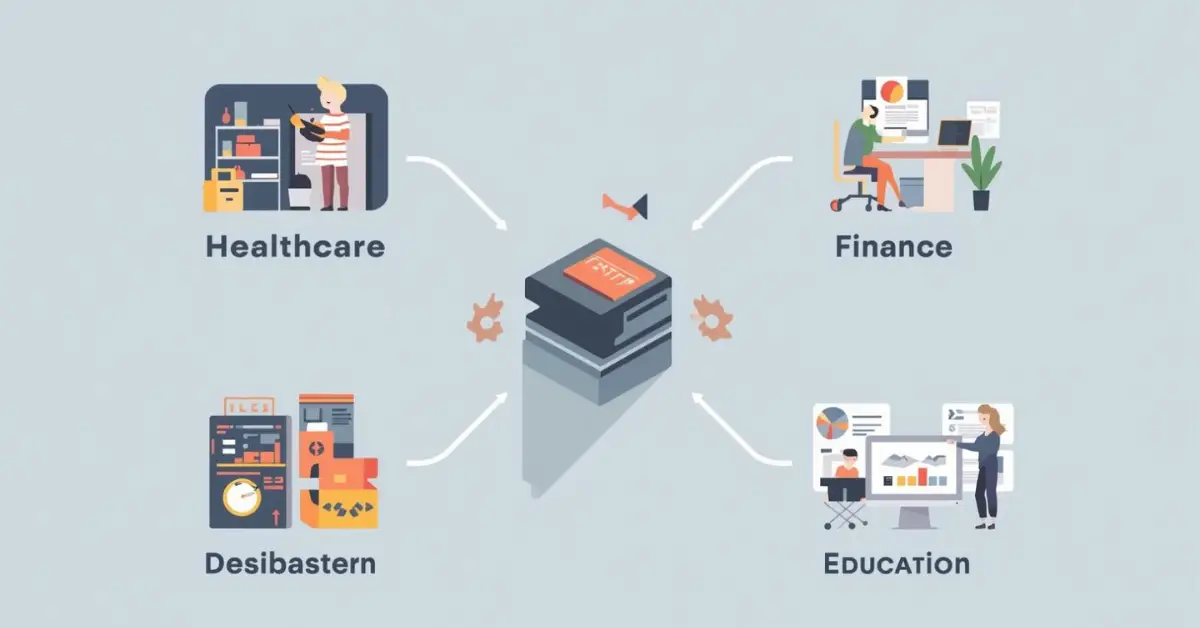
Here’s how real-world businesses benefit from combining RAG and Command R:
Healthcare – Better Support Without Guesswork
Healthcare professionals face complex queries every day. Whether it’s comparing treatment options or understanding new research, they need clear and trusted insights.
- Extract data from EHRs (Electronic Health Records)
- Summarize lengthy research papers into usable information
- Assist doctors with decision support tools that reflect local protocols
Example:
A regional clinic uses RAG to feed clinical notes, local treatment guidelines, and research studies into a support chatbot. This helps junior doctors access summarized insights without digging through files.
Finance – Making Risk Analysis Clearer
In the financial world, regulations, news, and internal reports pile up quickly. RAG can help analysts and advisors process and apply that knowledge efficiently.
- Summarize compliance documents and financial disclosures
- Generate reports based on current market sentiment
- Automate response generation for client-facing queries
Example:
An investment firm uses RAG to analyze 10-K filings and surface relevant risk factors when assessing new companies. With Command R, the system can cross-check those risks with internal exposure data.
Retail – Smart Answers for Smarter Customers
Retailers handle a mix of structured and unstructured data from product catalogs to customer reviews. RAG makes it easier to pull relevant insights for both operations and service teams.
- Support chatbots with access to real-time stock and order info
- Draft product descriptions using internal data and customer trends
- Summarize customer service queries across platforms
Example:
A fashion retailer created an assistant that answers customer questions using real-time stock availability, size guides, and style blogs all pulled from internal sources.
Education – A Tutor That Understands the Syllabus
Educational platforms require adaptability. Students ask diverse questions, and responses must align with the curriculum. RAG allows platforms to provide tailored explanations without deviating from source materials.
- Pull explanations from textbooks, PDFs, and teacher notes
- Create custom learning paths based on student performance
- Generate quiz answers with clear references to study materials
Example:
An edtech firm used Command R to index multiple syllabi and textbooks, enabling an adaptive tutor that provides cited answers and learning suggestions to students.
Miniml’s Process: How We Build Practical RAG Solutions
We don’t believe in generic deployments. Every RAG implementation we build is customized to the business challenge at hand.
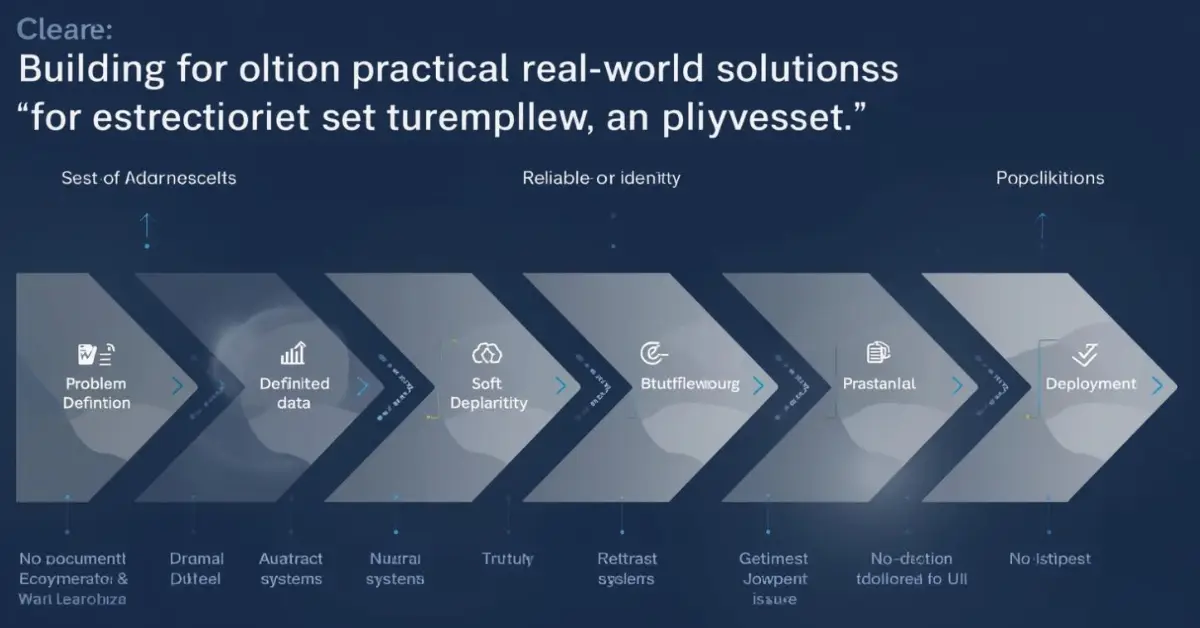
Here’s how we do it:
- Scoping & Discovery
- Identify the use case: customer support, compliance, training, etc.
- Map out required data sources and expected outputs
- Identify the use case: customer support, compliance, training, etc.
- Data Preparation
- Extract content from PDFs, databases, or CRMs
- Create a retrieval index (using tools like Elasticsearch or vector databases)
- Extract content from PDFs, databases, or CRMs
- Model Integration
- Plug in Command R
- Fine-tune prompts to suit the business tone and expectations
- Plug in Command R
- Testing & Evaluation
- Run simulations using real scenarios
- Refine based on accuracy, clarity, and usefulness
- Run simulations using real scenarios
- Deployment & Monitoring
- Embed into internal systems or customer interfaces
- Add logging, analytics, and feedback capture
- Embed into internal systems or customer interfaces
Each step is collaborative, transparent, and designed to ensure business teams understand and trust the outcomes.
Tangible Benefits for Business Operations
RAG systems with Command R don’t just make responses smarter they simplify operations, reduce manual work, and improve decision-making.
Top Benefits Our Clients Experience:
- Answers based on your business documents, not just general knowledge
- Shorter response times in customer service
- Consistency across teams and departments
- Lower support and training costs
- Stronger compliance in regulated industries
- Clear traceability for every response generated
A Real Example: From Manual Reviews to Smart Retrieval
One of our clients in the insurance sector was manually reviewing claim reports, policy terms, and past resolutions. It was time-consuming, error-prone, and inconsistent.
By deploying a RAG system with Command R:
- We indexed past claims, policy PDFs, and regulatory FAQs
- Built a simple internal tool where agents could ask questions in plain English
- The system fetched relevant excerpts and responded with references
Result:
The average time to resolve queries dropped from 12 minutes to under 3, and agent satisfaction improved because they spent less time searching and more time helping.
Closing Thoughts: What Makes It Work
Business intelligence doesn’t come from just using new tools. It’s about how you apply them. RAG and Command R succeed when they’re tied to specific problems, supported by good data, and framed in ways that your teams can trust.
At Miniml, we bring technical expertise and business sense together. Whether you’re starting small or aiming big, we’ll help you build something that fits.
FAQs
Q: 1 u003cstrongu003eWhat makes RAG different from a chatbot?u003c/strongu003e
A. RAG systems don’t guess they retrieve facts from documents before answering.
Q: 2 u003cstrongu003eCan I control which documents the model uses?u003c/strongu003e
A. Yes. You decide the content and we build the system around your data sources.
Q: 3 u003cstrongu003eIs it suitable for small businesses too?u003c/strongu003e
A. Absolutely. We scale based on your needs and use cases.
Q: 4 u003cstrongu003eHow secure is my data?u003c/strongu003e
A. We follow industry-standard security practices and ensure no external data exposure unless you approve it.
Q: 5 u003cstrongu003eHow long does setup take?u003c/strongu003e
A. It depends on your data and needs, but typical setups take 4–6 weeks from scope to deployment.