

Training models with computer-generated examples can speed up development, but without careful checks, they can drift into unrealistic or biased behavior. Model collapse happens when a system learns quirks of its own synthetic data instead of patterns from real situations. Human review ensures the system stays on track.
Miniml in Edinburgh specializes in blending machine workflows with expert oversight, helping businesses keep their models grounded in reality.
What Is Model Collapse?
Model collapse occurs when systems repeatedly train on their own generated examples until they lose touch with genuine data. Symptoms include:
- Overconfidence in implausible inputs
- Poor performance on real-world tasks
- Amplified biases from initial synthetic samples
This issue often surfaces only after deployment, making it costly to correct later.
Why Use Synthetic Data?
Generating your own examples addresses data scarcity and privacy hurdles. Common motivations include:
- Filling gaps for rare events
- Avoiding sensitive data exposure
- Reducing costs of large-scale data collection
However, synthetic datasets can introduce artifacts or skew distribution if unchecked.
Key Failure Modes
Training solely on simulated examples can backfire in several ways:
- Artifact Learning
Models pick up spurious patterns from synthetic generation methods. - Overconfidence in Edge Cases
Systems assign high certainty to scenarios they have never seen in reality. - Distribution Drift
Synthetic distribution gradually diverges from the true data landscape.
Each failure mode erodes trust and usefulness in production environments.
Why Human Verification Matters
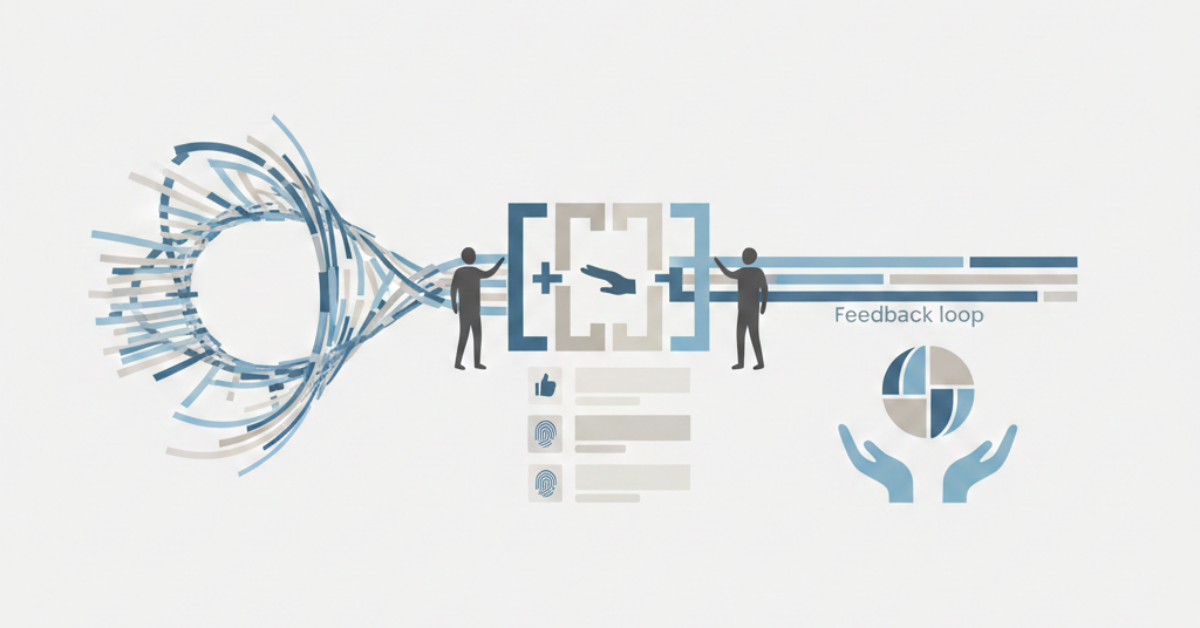
A human-in-the-loop approach provides essential course corrections:
- Domain experts spot illogical or biased outputs
- Sample audits compare synthetic and real data side by side
- Continuous feedback loops integrate real-user insights
This oversight catches subtle errors before they compound.
Building a Verification Workflow
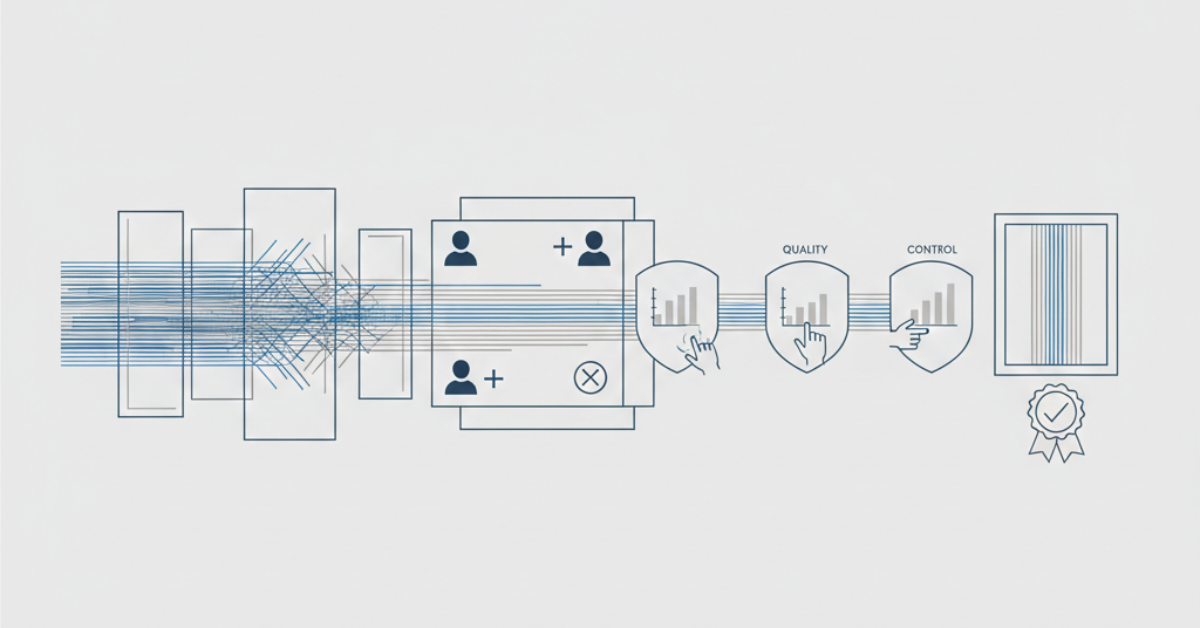
Effective workflows mix automated stages with manual checkpoints. Key steps include:
- Define Labeling Standards
- Clear guidelines for reviewers
- Consistent criteria across batches
- Clear guidelines for reviewers
- Hybrid Pipelines
- Automatic generation followed by curated vetting
- Flagging anomalies for deeper review
- Automatic generation followed by curated vetting
- Automated Alerts
- Thresholds for unusual model confidence
- Notifications when samples deviate from norms
- Thresholds for unusual model confidence
These components keep quality high without overwhelming review teams.
Balancing Scale and Quality
Maintaining oversight at scale calls for smart sampling and metrics:
- Active Learning
Prioritize samples where the model is least certain - Crowdsourcing vs. Experts
Use broad crowdsourced checks for general errors and specialists for domain-critical cases - Risk Metrics
Track collapse indicators like confidence spikes or error clusters
Monitoring these measures helps maintain a healthy balance.
Best Practices for Synthetic Data with Human Oversight
- Start with small pilot runs before full rollout
- Maintain audit logs of synthetic batches and reviewer decisions
- Version both data sets and model checkpoints
- Schedule periodic re-validation as generation methods evolve
These steps build a robust audit trail and ensure repeatable quality.
How Miniml Supports Reliable Training
Miniml’s approach combines technical expertise with practical oversight:
- Custom synthetic data strategies tailored to each domain
- Structured human-in-the-loop workflows for ongoing verification
- Merging automated alerts with expert review panels
- End-to-end support from prototype through production
With Miniml’s guidance, organizations avoid model collapse and keep their systems aligned with real-world needs.
Conclusion
Synthetic data can fill critical gaps and protect privacy, but unchecked training risks model collapse. Human verification is not optional it’s the safeguard that keeps systems grounded in reality. Reach out to Miniml in Edinburgh to build trustworthy, high-quality training pipelines with the right mix of machine speed and human insight.