

In today’s data-driven world, companies need enough computing power without exposing customer details. A hybrid approach keeps personal data behind your firewall, while pushing heavy processing tasks to the cloud. This blend offers both control and flexibility.
What Is Hybrid Architecture?
Miniml, your trusted consultancy in Edinburgh, guides businesses through secure architectures that respect regulations and deliver reliable results.
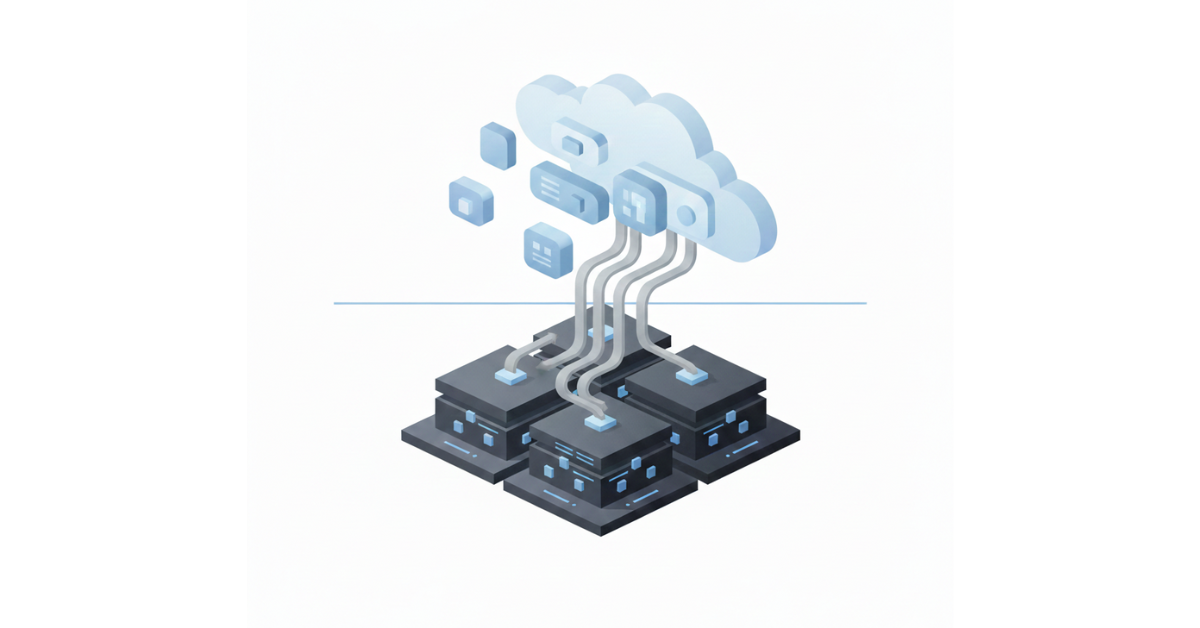
Hybrid architecture splits responsibilities between your local servers and cloud platforms. Sensitive personal data stays on-site, while compute-intensive jobs run in the cloud. This ensures privacy without sacrificing performance.
Why Keep PII On-Prem?
Regulations and risk factors make on-site storage essential for many organizations.
- Regulations such as GDPR, HIPAA and PCI-DSS demand strict handling of personal data.
- Data residency rules can require data to remain within certain geographic boundaries.
- On-premises storage reduces exposure to misconfigurations or external breaches.
Key Components
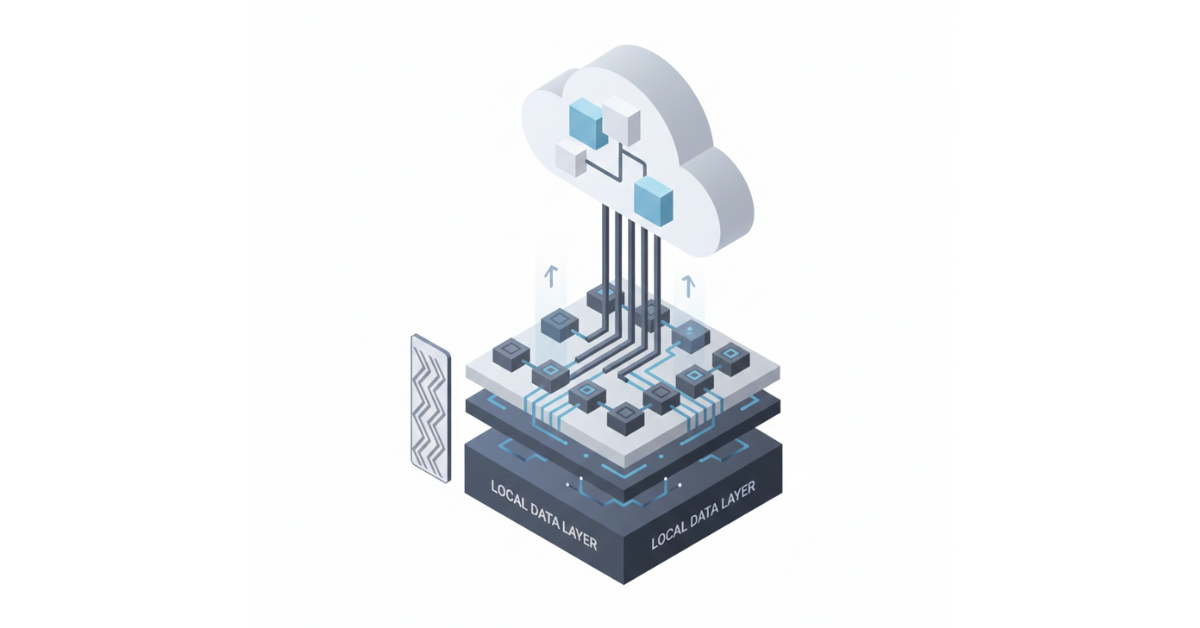
- Local Data Layer
- Encrypted databases with role-based access controls
- Audit logs to track every data request
- Encrypted databases with role-based access controls
- Data Preparation
- Masking or tokenizing identifiers before transfer
- Generating feature sets or summaries locally
- Masking or tokenizing identifiers before transfer
- Cloud Compute Layer
- Elastic GPU/TPU clusters for model training
- Serverless functions or batch jobs for large tasks
- Elastic GPU/TPU clusters for model training
- Secure Link
- VPNs or dedicated network circuits
- Zero-trust policies and continuous monitoring
- VPNs or dedicated network circuits
Real-World Examples
- Healthcare: Patient files remain on-site; image analysis and reporting run in the cloud.
- Finance: Transaction records are stored locally; risk simulations and fraud checks use cloud clusters.
- Retail: Loyalty program data stays on-prem; recommendation engines analyze aggregated trends off-site.
- Education: Student records are kept in private data centers; analytics dashboards process anonymized metrics remotely.
Common Challenges and Solutions
Building a hybrid system can feel complex, but there are clear remedies:
- Complex Architecture
- Follow proven reference guides (e.g., NIST best practices)
- Use infrastructure-as-code tools like Terraform
- Follow proven reference guides (e.g., NIST best practices)
- Data Sync Delays
- Implement change-data-capture pipelines
- Leverage edge caching for fast access
- Implement change-data-capture pipelines
- Lifecycle Management
- Adopt MLOps platforms that span both environments
- Automate testing and deployment pipelines
- Adopt MLOps platforms that span both environments
- Skills Shortage
- Partner with an expert consultancy to fill gaps quickly
- Partner with an expert consultancy to fill gaps quickly
Steps to Get Started
- Map and classify all datasets by sensitivity.
- Define clear rules for which data stays local and what travels to the cloud.
- Containerize services for portability across different cloud providers.
- Establish encrypted tunnels and private network links.
- Set up continuous logging and alerts for unusual activity.
How Miniml Can Help
With deep experience in secure, hybrid setups, Miniml offers:
- Architecture blueprints that balance privacy and performance
- Hands-on implementation of both on-prem and cloud stacks
- Governance frameworks to satisfy auditors and regulators
- Ongoing support to adapt as business needs evolve
Reach out to Miniml in Edinburgh to explore a hybrid path that keeps your customer data safe while tapping into vast cloud resources.