The media and entertainment industry has always been shaped by technology. From the early days of radio and film to the arrival of streaming platforms, innovation has influenced how stories are told and consumed.
Today, artificial intelligence is playing a similar role by making production smarter, personalizing content, and creating entirely new ways to engage audiences.
This article explores practical use cases, benefits, and solutions of AI in media and entertainment, while also addressing the challenges and opportunities that come with it.
The Role of AI in Media and Entertainment
Artificial intelligence has moved beyond being a futuristic concept. It is now part of everyday processes in studios, broadcasting networks, music platforms, and marketing teams.
AI technology can handle repetitive tasks such as editing or tagging content, but it is also being used to support creative storytelling and interactive experiences.
Instead of replacing human creativity, AI works alongside artists, producers, and marketers. It helps them work faster, analyze audience preferences in real time, and bring new types of media experiences to life.
Use Cases of AI in Media and Entertainment
Content Creation and Personalization
Content generation and personalization are two areas where AI has become highly visible.
- Scriptwriting assistants help writers brainstorm dialogue or story structures.
- Music composition tools can suggest melodies or instrument layers.
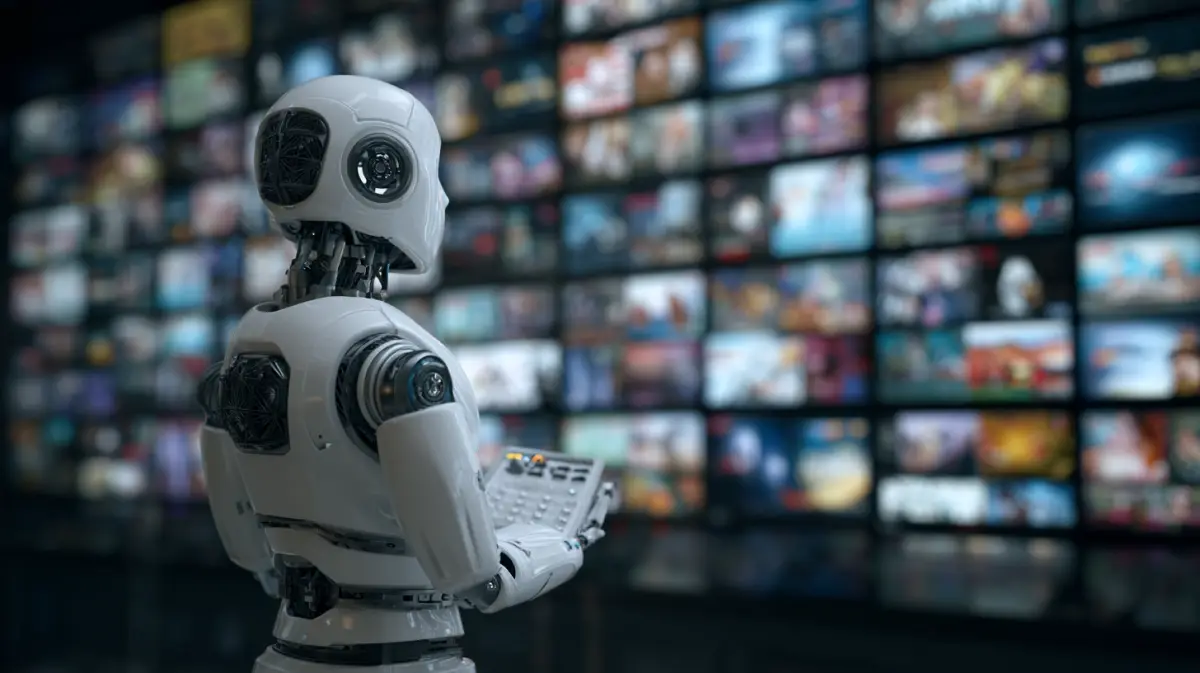
- Streaming services like Netflix and Spotify use algorithms to recommend shows or songs based on viewing history.
This combination of creativity and data allows companies to deliver entertainment that feels more personal to every user.
Audience Engagement and Marketing
Marketing teams in the entertainment sector are turning to AI to understand fans and viewers better.
- Chatbots answer customer queries instantly and interact with fans on social media.
- Sentiment analysis identifies audience reactions during a movie launch or sporting event.
- Predictive analytics helps marketers decide the right time to release trailers or promotional content.
The result is more engaging campaigns and stronger connections between brands and audiences.
Media Production and Post-Production
Producing media involves a lot of technical processes. AI solutions are making them faster and more efficient.
- Automated video editing tools speed up post-production timelines.
- Subtitling and dubbing services powered by AI deliver translations at scale.
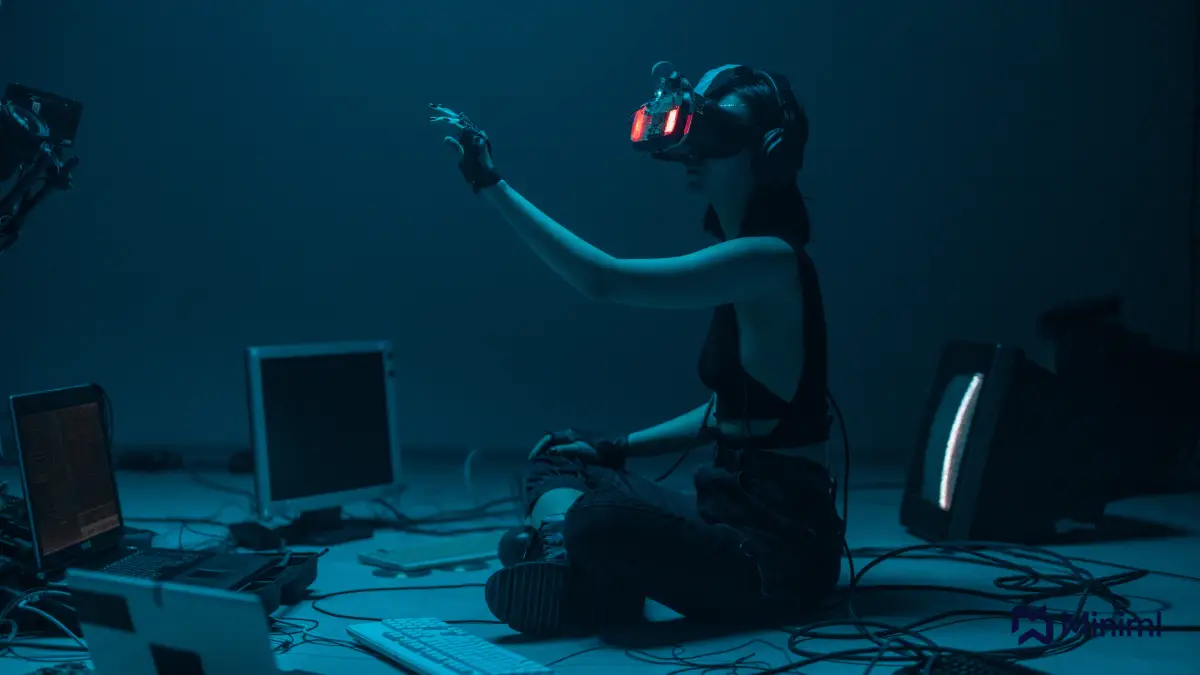
- Deepfake and CGI technology offer innovative ways to create visuals for films or commercials.
These tools save time for editors and production houses while still keeping creativity at the center.
Rights Management and Piracy Detection
Piracy remains a major challenge for the entertainment industry. AI helps track and protect intellectual property.
- Algorithms scan the internet to detect unauthorized use of copyrighted material.
- Watermarking technology ensures ownership can be verified quickly.
- Monitoring platforms identify and block pirated streams in real time.
This helps companies safeguard their investments and maintain trust with creators.
Operational Efficiency
Behind the scenes, AI is also being used for scheduling and workflow management.
- Broadcast companies rely on automated scheduling systems to line up shows.
- Studios use AI for production planning, budgeting, and resource allocation.
- Media houses streamline back-end operations to reduce repetitive manual work.
These improvements allow teams to focus more on creative and strategic decisions.
Benefits of AI in Media and Entertainment
Adopting AI brings multiple advantages for both businesses and audiences. Some of the key benefits include:
- Faster production cycles: Editing, subtitling, and content tagging can be automated, reducing turnaround times.
- Cost savings: Automated workflows help lower the cost of repetitive tasks.
- Personalized experiences: Viewers receive content tailored to their interests, leading to higher satisfaction.
- Smarter decisions: Data-driven insights support marketing strategies and content investments.
- Creative support: Writers, musicians, and filmmakers gain access to tools that help expand their creative possibilities.

AI Solutions for Media and Entertainment
Custom AI Models
Custom-built models allow companies to meet specific industry requirements. For example:
- Natural language processing models analyze scripts and identify key themes.
- Computer vision tools detect objects or faces within video footage, simplifying editing.
These models help media companies address unique creative and operational challenges.
Generative AI Applications
Generative AI has opened new opportunities in storytelling and production.
- Large language models support writers with dialogue and story ideas.
- AI-assisted music software can suggest background tracks or harmonies.
- Visual generation tools help create concept art and animation frames.
By blending creativity with automation, generative tools offer new ways to design content.
Process Automation
Studios and media companies are adopting AI-driven automation to reduce manual tasks.
- Automated video tagging helps archive and retrieve clips faster.
- Workflow tools handle repetitive production processes.
- Broadcasting schedules can be managed automatically based on audience demand.
These solutions save time and reduce the burden on technical teams.
Challenges and Considerations
While the benefits are clear, there are also challenges that companies need to address when using AI in entertainment.
- Data privacy: Collecting and analyzing user behavior must comply with strict data protection standards.
- Copyright and ethics: Deepfake technology can be misused, raising concerns about authenticity.
- Creative balance: Overreliance on algorithms could reduce originality if not managed carefully.
- Scalability: Media companies must ensure that their AI systems can handle high volumes of content and traffic securely.
These challenges highlight the importance of using AI responsibly, with clear policies and governance.
How Miniml Helps Media and Entertainment Businesses
At Miniml, we specialize in building AI solutions tailored to specific industries. For media and entertainment, this means designing strategies that combine creativity with efficiency while ensuring ethical and secure use of technology.
Our team develops custom models for content analysis, audience engagement, and production workflows. We also implement generative AI and automation tools that fit the scale of your operations. Whether you are a streaming platform, a film production house, or a broadcasting network, our solutions are designed to deliver measurable results while respecting the creative vision of your team.

Conclusion
Artificial intelligence is no longer just an experimental technology in media and entertainment. It is actively shaping how content is produced, marketed, and consumed. From content personalization to piracy detection, AI solutions bring practical benefits while opening doors to new creative opportunities.
For businesses looking to stay competitive in this fast-changing industry, adopting the right solutions can make all the difference. Miniml can help you explore these opportunities and create a strategy that works for your specific needs.